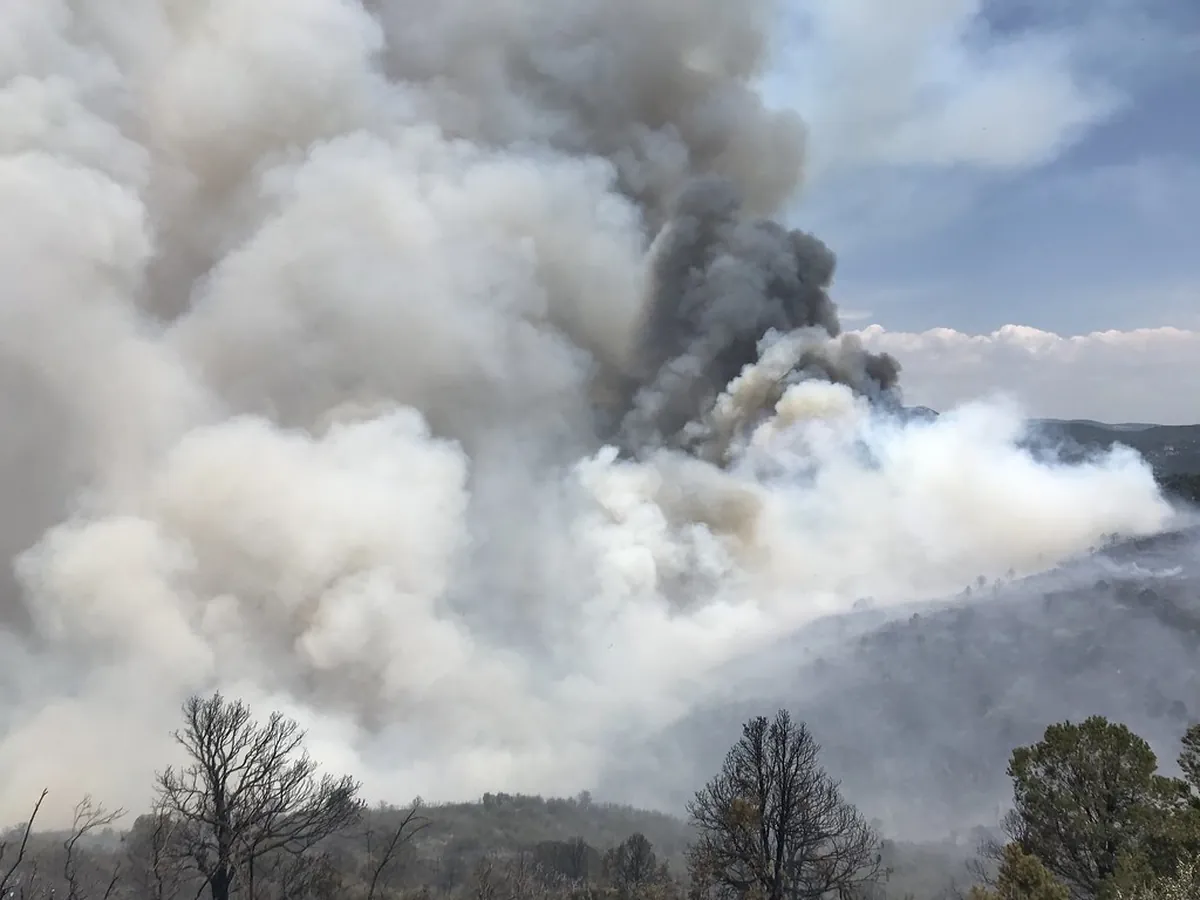
The Marshall Fire destroyed more than a thousand homes in Louisville, Superior and unincorporated Boulder County on December 30, 2021. In the months and years that followed, thousands of families learned the same lessons about total-loss claims. They apply to any Colorado wildfire.
Rebuild cost is a moving target
After a large fire, hundreds of owners need contractors, materials and permits at the same time. Construction costs in the affected area can rise, and current building codes may require features the old home didn’t have. A dwelling estimate prepared a few weeks after the fire may not reflect the real cost to rebuild a year later.
Know what your policy offers
- Dwelling limit — the maximum for the house, sometimes with extended replacement cost above it.
- Ordinance or law — added costs to meet current codes.
- Debris removal — sometimes inside the dwelling limit, sometimes additional.
- Other structures — garages, fences, sheds.
- Contents — personal property, with inventory requirements.
- Additional living expense — the extra cost of living elsewhere during the rebuild.
Colorado changed some rules
After the Marshall Fire, Colorado lawmakers expanded protections for homeowners facing wildfire total losses — including provisions on contents documentation and additional living expenses — and later created the Colorado FAIR Plan as a last-resort option for owners who can’t find coverage. Details and effective dates matter, so confirm current rules with the Colorado Division of Insurance or an attorney rather than relying on a summary.
Where appraisal fits
Appraisal can resolve disagreements about the cost to rebuild a comparable home, debris removal costs, other-structure values and contents values within your limits. It can’t raise the limits themselves. If the dwelling limit is too low, the question of why — and whether anyone is responsible — belongs with an attorney.
Homes that survived
Standing homes near a burn area face a different claim: smoke and ash in attics and ductwork, odor in soft materials, heat-damaged siding and windows. These claims are frequently underestimated. Room-by-room documentation and, when needed, independent testing help establish the scope.
Practical first steps
Request a complete copy of your policy, keep a log of every conversation, save receipts for living expenses, and start a contents list room by room using photos, bank records and memory.