Where water estimates fall short
- Mitigation invoices cut back. Drying equipment days, antimicrobial treatment and containment reduced after the work was done.
- Partial-room repairs. Replacing only the wet section of flooring, drywall or cabinets when the remaining material can’t be matched.
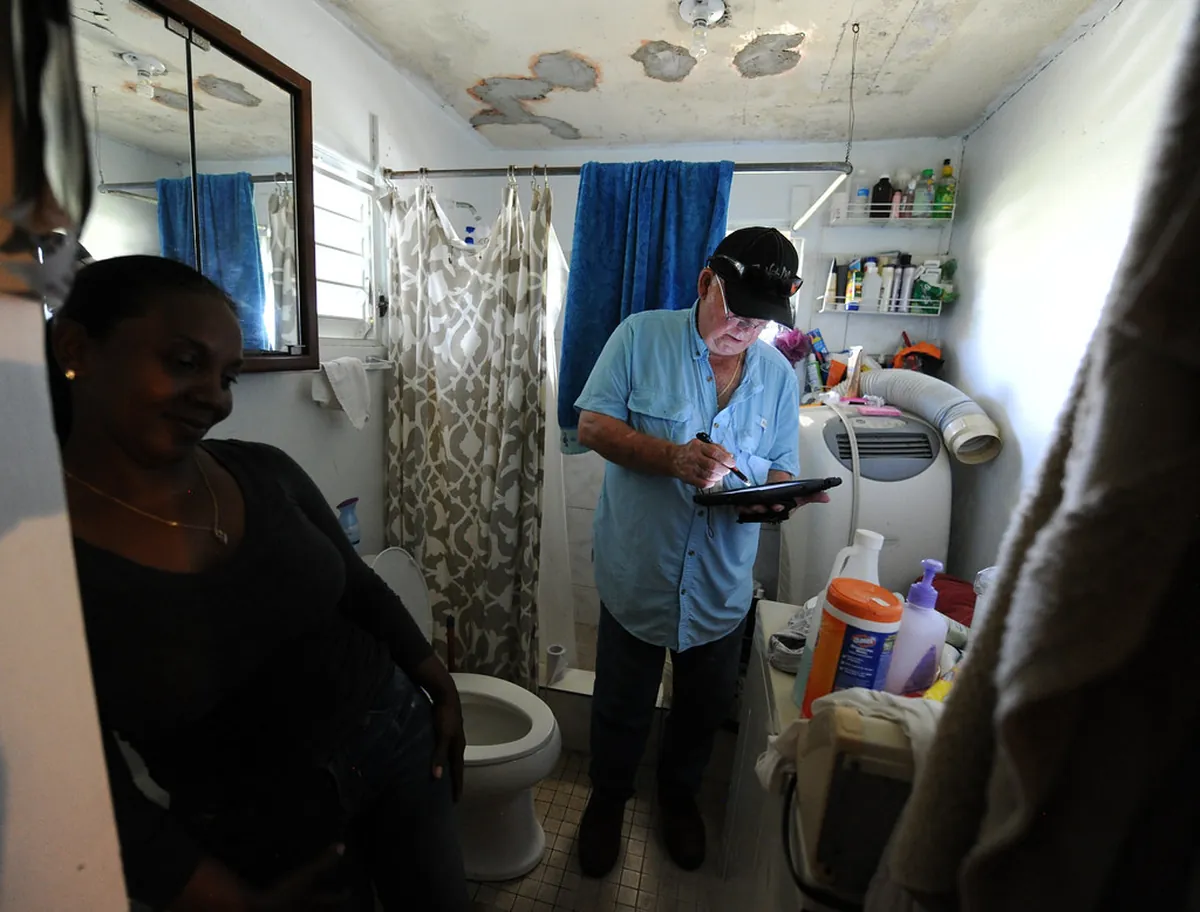
- Hidden damage. Subfloor, insulation, trim and wall cavities that weren’t opened during the first inspection.
- Contents and pack-out. Moving, storing and cleaning belongings while work is done.
- Additional living expense while the home isn’t livable.
Sudden versus gradual
Policies generally cover sudden and accidental water discharge but exclude long-term leaks, seepage and deterioration. Whether a loss is “sudden” is a coverage question. Once coverage is accepted, the amount of loss — how much drying, demolition and rebuild the loss requires — is squarely within appraisal.
Colorado specifics
Older Denver bungalows with galvanized or polybutylene lines, basements finished over slab, and mountain homes with long, exposed supply runs all produce water claims. In winter, a burst pipe in an empty vacation home can run for days, turning a minor repair into a gut-and-rebuild.
Document as you go
Take moisture readings and photos before demolition, keep the drying logs, and save removed materials until the adjuster has seen them or approved disposal.
Common questions
Is flooding from heavy rain covered?
Surface flooding is usually excluded from homeowners policies and covered only by separate flood insurance. Water that enters through storm-damaged roofs or windows is a different matter.
Do I have to use the insurer’s mitigation company?
Generally no, though you should act promptly to prevent further damage. Keep invoices and drying logs from whichever company you use.
Can appraisal resolve a mold dispute?
Appraisal can value remediation if mold damage is covered, but many policies cap mold coverage. The sublimit, if any, still applies.