Colorado winters are long at elevation, and a single spring storm can bury the Front Range. Three kinds of winter claims come up again and again: ice dams, snow-load damage and frozen pipes.
Ice dams
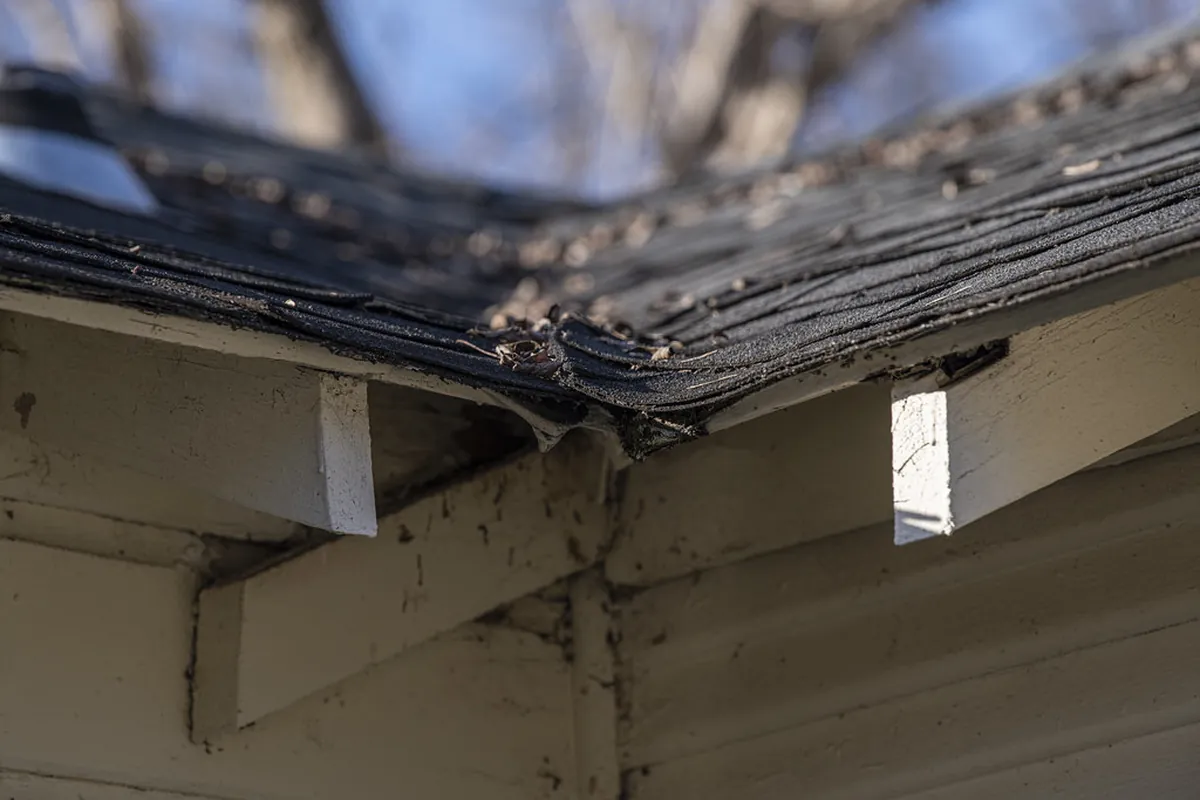
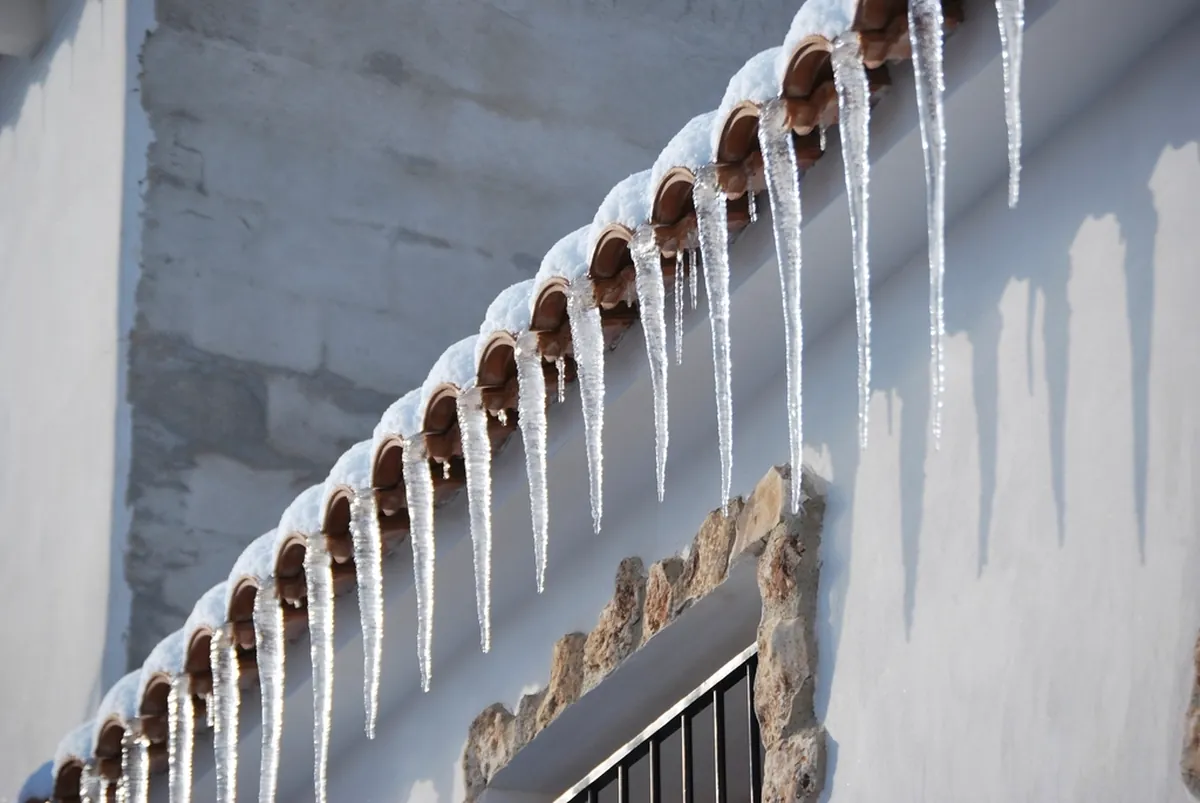
Heat escaping through the roof melts snow, which refreezes at the cold eaves. The resulting ridge of ice traps meltwater, which backs up under shingles and into walls and ceilings. Many policies cover the sudden water damage that results, though not the ice dam itself or long-term seepage. Wording varies, so read the water-damage provisions closely.
Snow load
Heavy, wet snow can overload roofs, decks and carports. Damage isn’t always obvious: cracked trusses and failed connections may hide above a ceiling that looks fine. After a big storm, look for new cracks in drywall, doors that stick and sagging rooflines. An engineer’s inspection can be worth the cost on a large or older building.
Frozen pipes
Cold snaps freeze pipes in exterior walls, crawlspaces and unheated areas — especially in second homes left empty. Policies often exclude freezing damage unless heat was maintained or the water was shut off and drained. If coverage is accepted, the dispute shifts to drying, demolition and rebuild costs.
Why mountain estimates run short
- Resort-area labor rates and limited contractor availability.
- Travel time and lodging for crews.
- Snow removal and protection before work can start.
- Short building seasons that push work into costlier months.
- Design-review requirements in some mountain towns.
An estimate priced with metro averages rarely covers a repair in Summit, Eagle, Pitkin, Routt or San Miguel County. Local pricing support is essential if the claim goes to appraisal.
Prevention notes
Keep heat on in vacant homes, consider water shut-off devices and temperature monitors, and clear snow from decks and low roofs safely or with a professional.