What makes fire claims complex
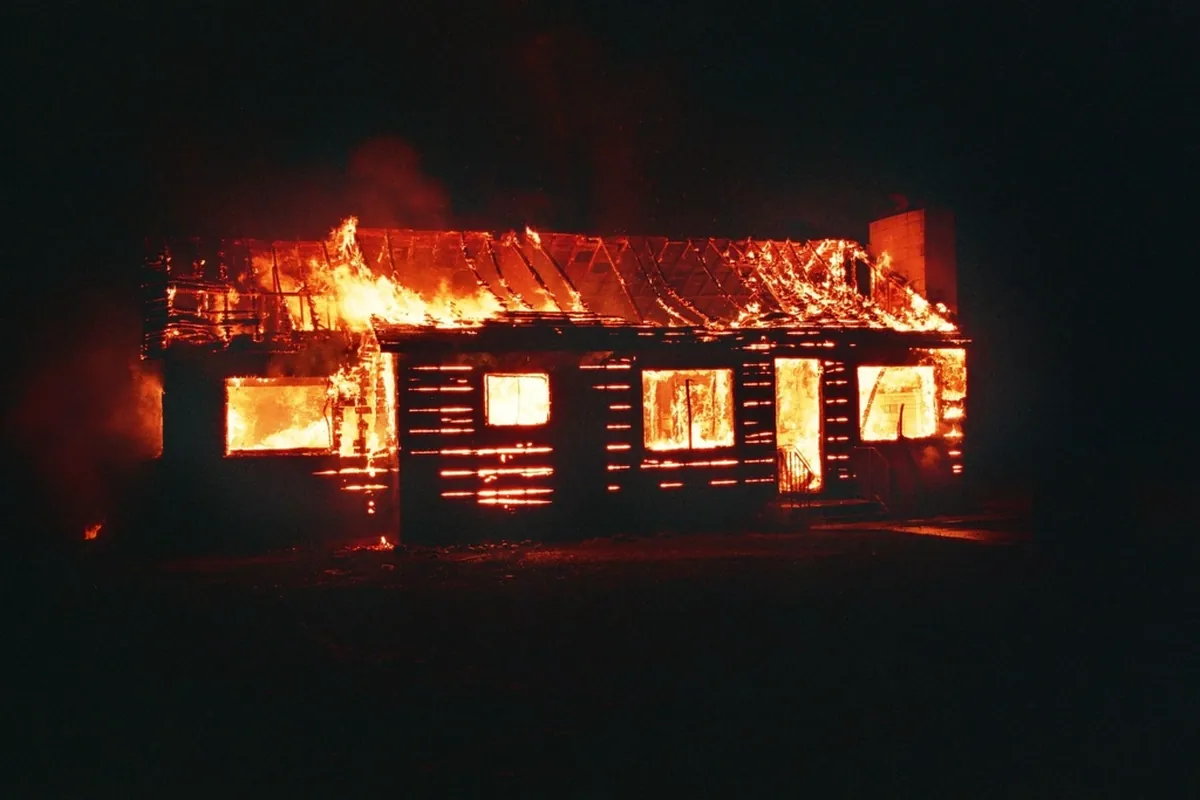
A kitchen fire can affect an entire house. Smoke travels through ductwork, attic spaces and wall cavities; heat warps materials far from the flames; firefighting water soaks floors and drywall. A thorough scope accounts for all of it.
Common fire and smoke disputes
- Cleaning versus replacement for cabinets, flooring, insulation and drywall with persistent odor or soot.
- HVAC systems — duct cleaning versus replacement when soot is embedded in flexible or lined duct.
- Sealing and painting — odor-sealing primer and full repainting of affected rooms.
- Contents — what can be cleaned, what must be replaced, and how it’s valued and depreciated.
- Code upgrades required when a fire-damaged structure is rebuilt, which may fall under ordinance-or-law coverage.
Testing and documentation
When cleaning is disputed, independent testing for soot and char particles, combined with photos and a room-by-room log, gives the panel something objective to weigh. We help decide when testing is worth the cost and how to present results.
Total losses
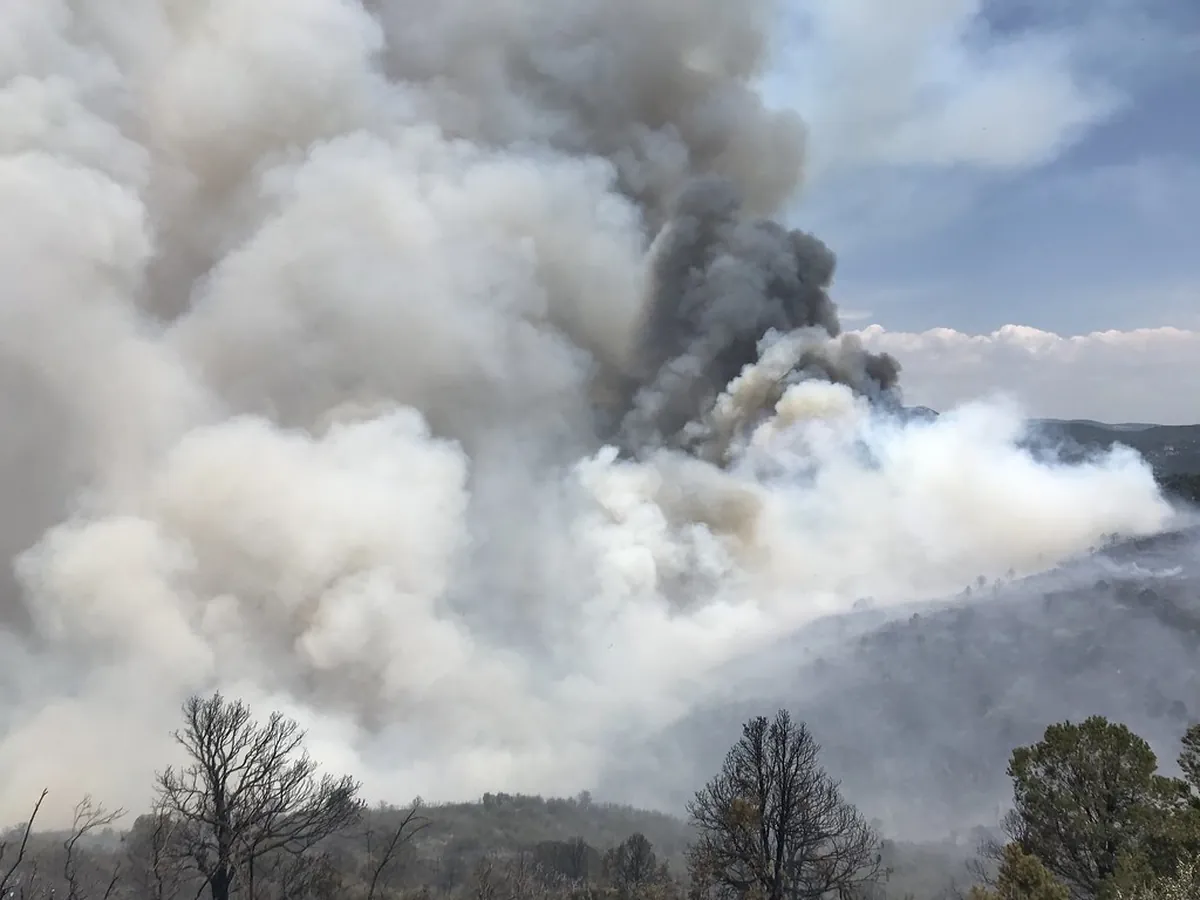
When the home is destroyed, the questions shift to rebuild cost, code requirements, debris removal and contents. Our wildfire claim appraisal page covers the issues Colorado owners have faced after large fires.
Common questions
Should I throw out smoke-damaged items?
Not before they’re documented. Photograph and list everything, and ask the adjuster before disposing of items so the contents claim isn’t disputed later.
Can odor be a reason to replace materials?
Persistent odor after professional cleaning can support replacement. Testing results and cleaning records help make that case.
Does appraisal include contents?
It can, if contents values are in dispute. Contents appraisals require good inventories, photos and pricing support.